Language Primer:
Swahili
If it often said – by no-one – that if Africa is a fever dream, Swahili is the soundtrack.
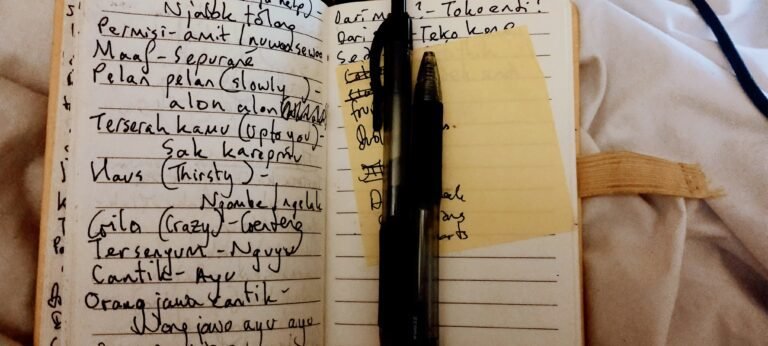
(2025 update: We wonder if anyone has noticed the fundamental flaw in the bottom half of the image illustrating this story.*)
With over 50 million speakers worldwide, either as a first or second language, Swahili stands as the continent’s most widely spoken tongue. Head for Tanzania, the DRC, Kenya, Uganda and Rwanda, and you’ll use this as the official vernacular you’ll use; deploy it in Mozambique or Burundi, and you’ll certainly make yourself understood. Not everywhere, but enough to get by.
For some, Swahili represents the voice of Africa. Think of the continent and consider the images, however clichéd they may be, springing to mind. Herds of elephants roaming the savannah, perhaps, herded by magnificent tribal warriors. Traditional healers remotely viewing a savannah punctured by the rhythmic, intoxicating clatter of drums. The warmest of welcomes coupled with the most burdensome poverty. Hippos, flamingos, mountain tops touched by the good hand of God… the reader gets the point.
These visions of this imagined realm all point, mostly, the continent’s east, where Swahili acts as the dominant tongue. Ipso facto, not only does Swahili become the sound of Africa, it also conveys the sound of daydreaming. Epochal as he was, never did Carl Jung discover something so simple and inspiring.
Read More: Heading to Ethiopia? Make life a little bit easier by learning some Amharic.
‘Karibu sana,’ said the roadside shaman as you thanked him for directions. Sotto voce, he spoke your middle name with no prompting before dissipating into the ether. (Cynical Editor: So profound.)
Point being, while all such imagery proves stereotypical in the extreme, it does serve a purpose in creating a passage through which to access the continent’s true depth. Swahili is a widely spoken language, and any trip to the east of Africa will invariably involve its usage. But do not fear its tongue-twisting appearance. It’s easy enough to pick up, as well as an excellent icebreaker. Ask around, and people will be more than happy to share it; this list has been solely garnered from various corners of Tanzania thanks to the kindness of strangers. The greatest of these strangers was Perpetua, a lady from Lushoto who, each time we saw her, showed great patience in teaching EitM a bit of Swahili. Thank you, Perpetua.
Unleash the Swahili:
English Swahili
Basics Dhasar
Hello Habari
How are you? Habiri yako?
Fine Uko vzuri / Nzuri
Please Tafadale
Excuse me Samahani
Help me Nisaidie
Thank you Assante (sana)
You’re welcome Karibu (sana)
Yes Ndio
No Hapana
No problem Hakuna matata
Goodbye Faida
Good morning Asubuhi njema
Good afternoon Jiyone njema
Good evening / night Usiku mwema
Sleep well Lala selama
Same to you Nawewe pia
See you later Sampai ketemu
How was your day? Umeshindaje?
How was your morning? Umeamkaje?
What’s your name? Jinalako ninane?
My name is (Panthro) Jinalako ni (Panthro)
Nice to meet you Ninafuraki kukutana nawewe
Feel at home Jisikie upo nyumbani
Where are you from? Unatoka wapi?
There Huko
Where Wapi
I’m from (Dili) Ninatoka (Dili)
What’s the score? Alama ni nini?
Okay Sawa
Up to you Juu yako
Crazy Kichaa
Beautiful Mrembo
Smile Tabasamu
Person Mtu
A little Kidogo
Slowly (NB: As is pace, attitude) Poa poa
Directions Maelekezo
North Kaskazini
South Kusini
East Mashariki
West Magharibi
Where are you going? Unaenda wapi?
I don’t know Sijui
I want to go to… Nataka kwenda…
Where is (the temple)? (Hekalu) iko wapi?
This way Njia hii
(Over) there (Hapo) hapo
(Over) here (Hapa) hapa
Walking Kutembea
Slowly Polepole
Stop Acha
Turn around Geuka
Straight on Moja kwa moja
Left Kushoto
Right Kulia
Behind Nyuma
In front of Mbele ya
In between Katikati
How far? Umbali gani?
How long? Muda gani?
Airport Uwanja wa ndege
Hotel Hoteli
Restaurant Mgahawa
Bar Baa
Temple Hekalu
Bank Benki
Cinema Sinema
Shopping / Transactions Ununuzi / Shughuli
How much? Shilingi ngapi?
I want to pay, please Ninahitaji kulipa, tafadale
I want my bill, please Ninahitaji bili yangu, tafadale
How many? Ngapi?
Cheap Nafuu
Expensive Ghali
Very (cheap) Sana (bei nafuu)
Do you have (a room)? Je unayo (chumba)?
I want… Nataka…
Food / Drink / Miscellaneous Chakula / Kunywa / Mbalimbali
Eat / Drink Kula / Kunywa
Menu Orodha
Hungry Njaa
Thirsty Mwenye kiu
Food is ready Chakula tayari
The food is delicious Viakula nikitamu
The food is good Chakula kizura
Breakfast was very good Kifunga kingwe ni nzuri
Breakfast Kifungua kinywa
Lunch Chakula cha mchana
Dinner Chakula cha jioni
Chicken Kuku
Fish Samaki
Rice Mchele
Noodles Noodles
Soup Supu
Milk Maziwa
Coffee Kahawa
Sugar Sukari
Salt Chumvi
Beer Bia
Fruit Matunda
Water Maji
Hot water Maji baridi
Cold water Maji moto
Soap Sabuni
Cigarettes Sigara
Lighter Nyepsi
Matches Mechi
(A) room Kamar
Ticket Tikiti
Body Mwili
I like your… Ninapenda pua …
Nose Yako
Arm Mkono
Leg Mgu
Head Kichwa
Fingers Vidole
Finger Kidole
Time Wakati
Now Sasa
Later / After Baadaye
Before Kabla
Morning Asubuhi
Afternoon Alasiri
Evening Jioni
Night Usiku
What time? Saa ngapi?
What is the time? Ni saa ngapi?
Second Pili
Minute Dakika
Hour Saa
Week Wiki
Month Mwezi
Year Mwaka
Day Siku
Today Leo
Yesterday Jana
Tomorrow Kesho
Day after tomorrow Kesho kutwa
See you tomorrow Tutaonana kesho
Weekend Mwishoni mwa wiki
Monday Jumatatu
Tuesday Jumanne
Wednesday Jumatano
Thursday Alhamisi
Friday Ijumaa
Saturday Jumamosi
Sunday Jumapili
Rainy season Msimu wa mvua
Dry season Kikavu
Sunrise Mawio
Sunset Machweo
Family Familia
Sister Dada
Brother Kaka
Dad Baba
Mother Mama
Son Hiyvo
Daughter Binti
Uncle Mjomba
Aunt Shangazi
Niece / Nephew Mpwa
Friend Rafiki
Friendly Marafiki
Friends of (Usambara) Marifiki wa (Usambara)
(Thomas) is my very good friend (Thomas) ni rafiki yangu
Numbers Nambari
0 Sifuri
1 Moja
2 Mbili
3 Tatu
4 Nne
5 Tano
6 Sita
7 Saba
8 Nane
9 Tisa
10 Kumi
11 Kumi na moja
12 Kumi na mbili
13 Kumi na tatu
14 Kumi na nne
15 Kumi na tano
16 Kumi na sita
17 Kumi na saba
18 Kumi na nane
19 Kumi na tisa
20 Ishirini
30 Thelathini
40 Arobaini
50 Hamsini
60 Sitini
70 Sabini
80 Themanini
90 Tisini
100 Mia moja
Hundred Mia
Thousand Elfu
Million Milioni
How old are you? How old are you?
I’m (30) years old Nina umri wa miaka (thelathini)
**cough* Lao *cough*
Discover more from Eye in the Middle
Subscribe to get the latest posts sent to your email.