
Dili: The Gateway to Timor-Leste
As the capital city of Timor-Leste, Dili is usually the first port of call for most visitors.
There, they will find the archetypal city on the rise. After suffering extensive damage in the post-1999 referendum conflict, Dili has since gathered momentum. Like its mother country, the city looks to leave its troubled past behind.
For any adventurous visitors, Dili has obvious appeal. Once colonised by outsiders from Portugal, the place has a distinctly Portuguese feel, as seen through the architecture and adoption of Portuguese as a language. No shock, then, that a visitor should expect a friendly ‘Bon dia’ or ‘Boa tarde’ as they go about their days. And thanks to the city’s open design and spread-out feel, the clean beaches can feel pleasantly remote and isolated.
Read More: How Surabaya Got Its Name, Part 1: The Shark and the Crocodile.
Savvy travellers, meanwhile, can earn their stripes as they roam the streets and soak up the welcoming, slightly hectic atmosphere.
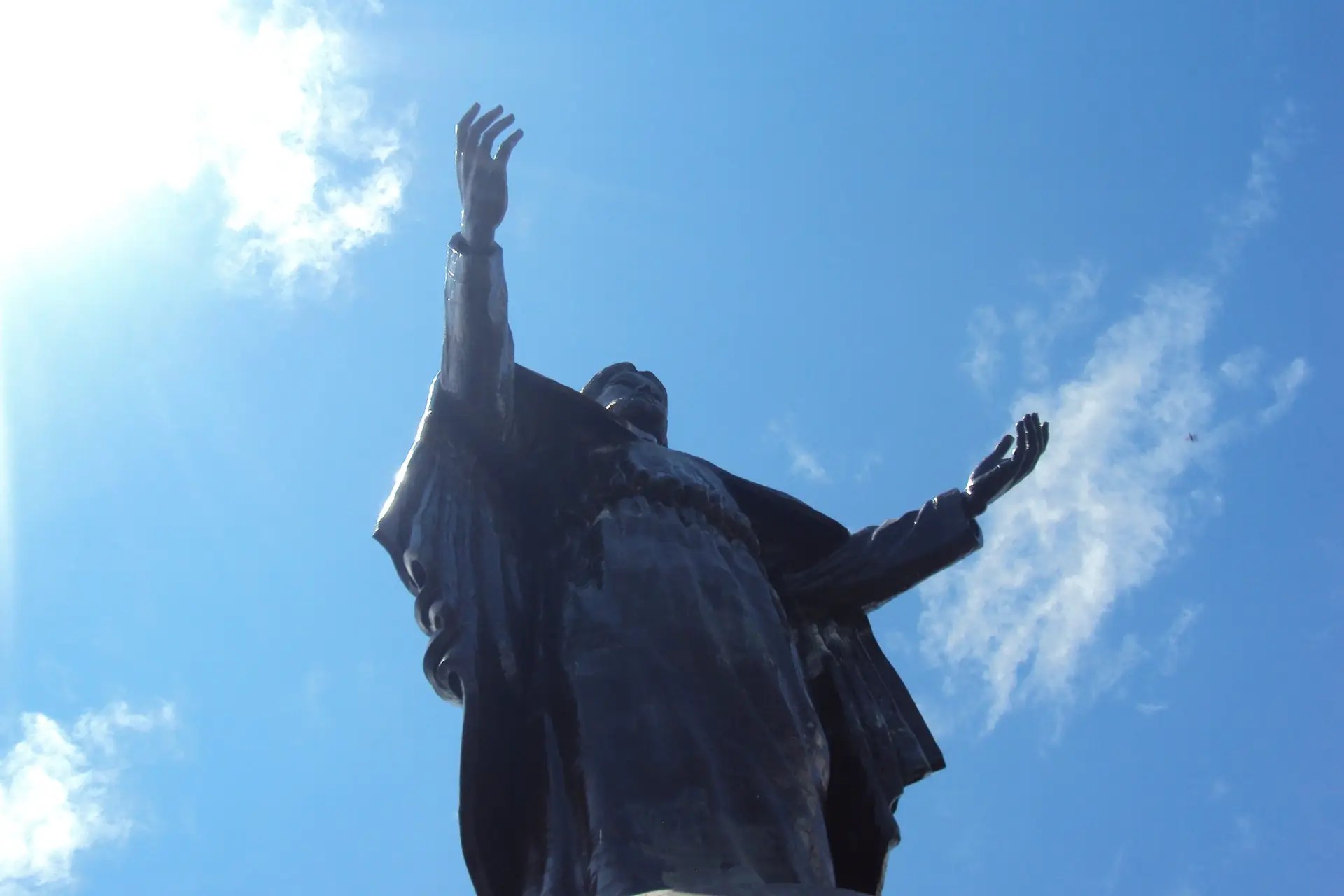
Dili’s most famed landmark remains the 27-metre-tall statue of Jesus. Cristo Rei overlooks the bay and has a divine air. As one should expect from such a statue. The giant stands with open arms outstretched as though welcoming all with open arms. Given the trauma of Timor-Leste’s fight for freedom, Rei’s stance suggests peace and kindness, at odds with the violent ghosts that once plagued the country.
Visitors will most likely arrive at Presidente Nicolau Lobato International Airport from Denpasar (Bali). Return flights with Nam Air/Sriwijaya Air cost around $200. Air North flies daily from Darwin, Australia, and there are also twice-weekly flights from Singapore.
A taxi ride into Dili from the airport costs between $5 and $10.
(2025 update: This story first appeared in 2018. Prices and flights have probably changed a lot since then.)
Discover more from Eye in the Middle
Subscribe to get the latest posts sent to your email.


