This page has affiliate links. If you click and buy something, EitM might earn a small commission, at no extra cost to you, the reader. As always, thanks for reading.
Pohon Pengantin: The Bridal Tree of Salatiga
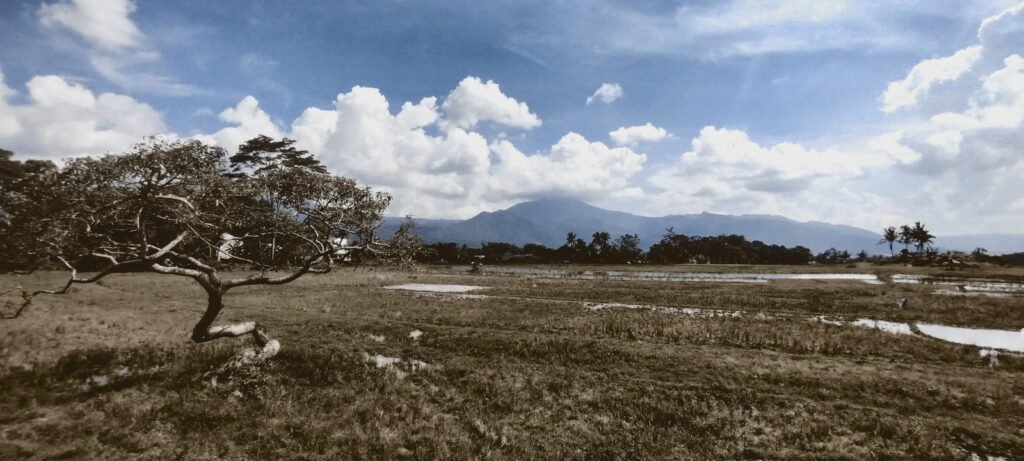
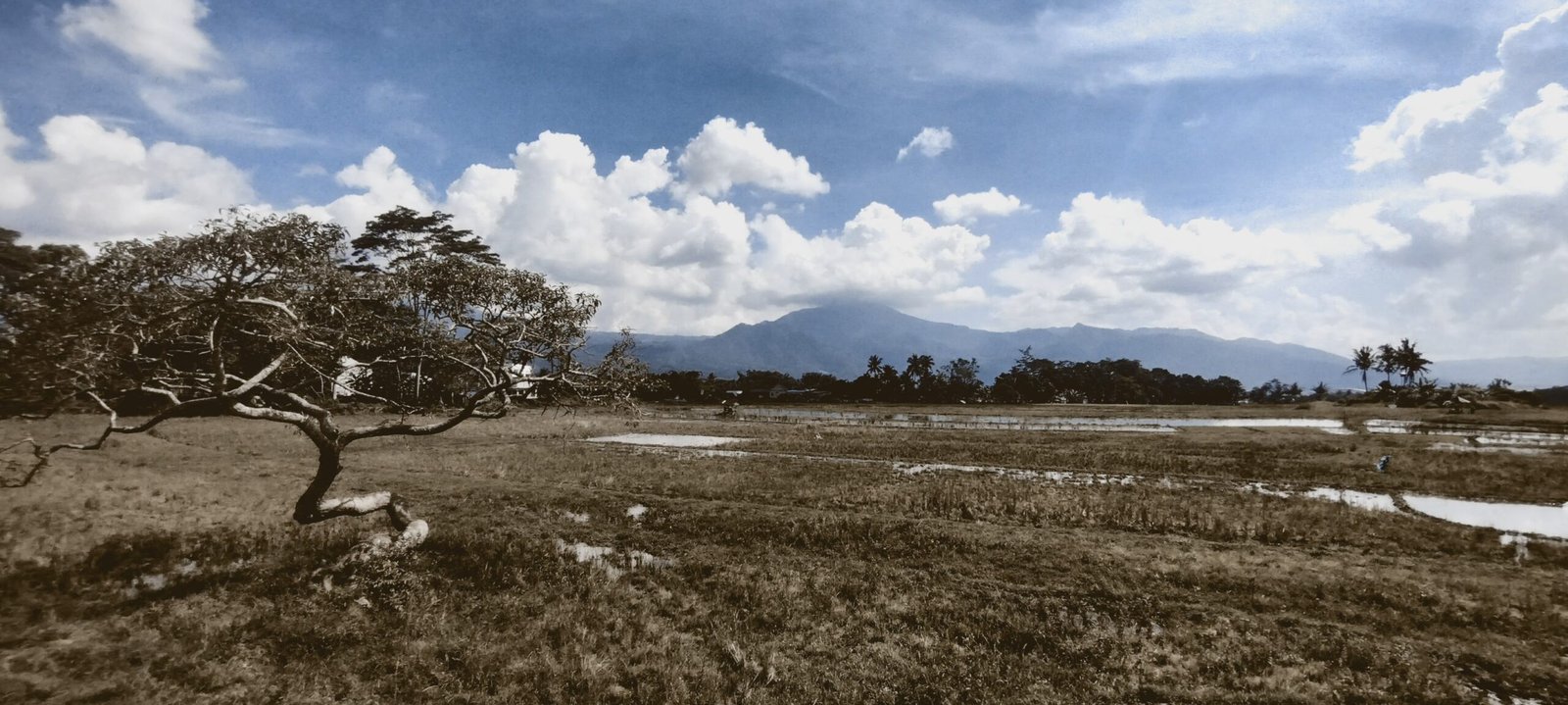
There grows a tree in the village of Pulutan that is perhaps the loneliest tree in all of Salatiga. Pohon Pengantin, for such is the being’s name, sits alone on the periphery of a rice field. But it does not go unnoticed.
So fate decrees, the tree’s destiny is to wait and flower and flourish and pass its time with the seasons. Thus does Pohon Pengantin maintain its lonely vigil near the heart of Central Java. There it sits under the gaze of Gunung Telemoyo on the shores of Danau Rawa Pening.
This tree is the bridal tree of Salatiga. Its solitude will never end until nature, or whatever controls such things, has decided that the time for introspection has passed and something else has come to take its place. Legend dictates that Pohon Pengantin has stood strong in this rice field for nigh on a century. The tree’s history buckles under the weight of melancholy and woe.
According to lore, many years ago, a couple got married. This was not such a strange thing, and happened all the time. But convention ruled that each new couple must not leave their home for forty days after their wedding, lest foul fortune befall them.
This new couple could not abide by such a convention. Forty days is a long time cooped up anywhere. Even newlyweds need a change of scenery. And so, in a turn of events that not many people would have quarrelled, the couple decided that tradition could fall by the wayside; they left their home.
All went well until they reached the rice fields close by. There, they became beset by a strange feeling. And then they knew no more, for a curse had trailed them and turned them into perennial plants.
Sadness grows
So did the legend of the bridal tree grow. But the sadness did not end there. A farmer took it upon himself to cut down one of the trees: the groom, to be exact. The pair, having already suffered great loss of life, now had to face the future forever apart. But fate is nothing if not malicious. Not long after, the farmer died after felling the tree.
Nobody knows what the bride had done to suffer such a strange and lonely existence. But here she stands, 100 years or so later, bereft and moribund and entirely alone; no tree grows close to her, and she has developed the stately grace that only the truly unique can ever possess.
One need only look at her lower half for confirmation. Her body has contorted in such a way that its trunk runs sideways to form a natural seat, imbuing her with the benign calm usually expected of a banyan tree or a place from where a person could contemplate life’s many paths.
And even as Pohon Pengantin stands alone and removed, and forever apart from her beloved, she has become a symbol of love and devotion. After all, fate can show kindness. Some say that if a person visits the tree with their partner, a lasting relationship will be their reward.
Thus does this unique tree emanate a rare kind of radiance that basks all in her warmth; as the sun sets over the lake, where its reflection becomes silver and heralds the arrival of the moon, and Telomoyo becomes consumed by darkness, one truth stands above all: even if one becomes detached from all about them, life will find a way to abide.
Things to know
Accommodation
- RedDoorz @ Andongkoe 64 Salatiga [Gang Andong VII; approx. £8 / 120,000 IDR for a double room, ensuite, WiFi] was an excellent budget choice. Big rooms, friendly and helpful staff who could provide helpful info on bike rental, trips to Gunung Merbabu and general Salatiga queries
- Located down a quiet back street, close to green space
- There’s a nice nasi goreng stall on the Jl. Osamaliki main road. Turn left out of Gang Andong IX and keep walking – the stall is at the brow of a hill, and not too far away. 13,000 IDR for a portion, from what we remember
Getting there and away
- Salatiga is on the main bus route between Semarang to the north and Solo / Surakarta to the south. The latter is closer to Salatiga
- Buses come from and go to Bus Terminal Tingkir Salatiga, which is a bit of trek from the town/city centre; if you’re arriving and are switched on enough [eg, the bus is close to where you’re staying], you can get off beforehand – just let the bus conductor know
- The main transit hub for minvans / bemos / angkots is Terminal Tamansari
- Pohon Pengantin is in a field close to Jl. Siranda Raya Bancaan, a side road just off Jl. Diponegoro. Siranda Recording Studio is opposite the field, and Musholla Al-Azhar is nextdoor, meaning the site has a creative, curious and sacred ambience. It’s a fine place to sit and ponder or daydream
- Vans from the aforementioned Terminal Tamansari will likely head there, as will ojek drivers [Grab or Gojek both work in Salatiga, and ojek stations are dotted around]
- You can reach the tree on foot too. It’s not really signposted, though, so a map of some kind or sense of direction will come in handy
Continue Reading: EitM’s Lore Series
Discover more from Eye in the Middle
Subscribe to get the latest posts sent to your email.